





Most homeowners don’t think about their roof until something goes wrong. A leak during a storm, a missing shingle after high winds, a water stain spreading across the ceiling—these are the moments that force a long-overdue conversation about one of your home’s most critical components.
The truth is, your roof works harder than almost any other part of your home. It’s the first line of defense against rain, snow, UV rays, and temperature swings. And when it starts to fail, the consequences can ripple through your entire property. Understanding what your roof actually does—and recognizing the signs that it needs attention—can save you thousands of dollars and a lot of stress.
At Spruce Exteriors, LLC, we’ve helped countless homeowners navigate roofing repairs, replacements, and everything in between. Here’s what we’ve learned along the way.
The Hidden Job of a Healthy Roof
A roof’s primary function seems obvious: keep water out. But there’s a lot more happening beneath the surface.
Thermal regulation: A well-maintained roof plays a major role in how efficiently your home retains or releases heat. Poor ventilation or damaged insulation can cause your HVAC system to work overtime—driving up energy bills without you ever connecting the dots back to the roof.
Structural support: Roof systems are engineered to distribute weight evenly across your home’s frame. When moisture gets in and begins to rot the decking or rafters, that structural integrity starts to break down. Left unchecked, what begins as a small leak can compromise the bones of your entire home.
Moisture control: Beyond direct water intrusion, roofs also manage condensation. Proper ventilation prevents moisture from building up in your attic, where it can quietly fuel mold growth for months before anyone notices.
Curb appeal and property value: This one often surprises people. A worn, sagging, or visually mismatched roof can reduce a home’s perceived value by more than its repair cost. A clean, well-maintained roof signals to buyers—and appraisers—that the property has been cared for.
Signs Your Roof Is Telling You Something
Roofs rarely fail without warning. The problem is that most warning signs are easy to miss or dismiss—until they escalate.
Granules in the gutters
If you’re cleaning your gutters and finding a significant amount of dark, sand-like granules, your shingles are shedding their protective coating. This typically indicates aging asphalt shingles that are losing their ability to deflect UV rays and repel water effectively.
Sagging areas or soft spots
A roof that sags—even slightly—suggests underlying structural damage, often from long-term moisture exposure. This is not a cosmetic issue. It warrants prompt inspection from a qualified roofing company.
Daylight in the attic
Grab a flashlight and head to your attic on a bright day. Any visible daylight coming through the roof boards means your underlayment or decking has gaps or cracks—and wherever light gets through, water can too.
Shingles that are curling, cracked, or missing
Shingles that curl upward at the edges (cupping) or lift at the middle (clawing) are under stress, often from temperature fluctuation or moisture buildup. Missing shingles after a storm may seem minor, but even a small exposed patch can funnel significant water into your home.
Higher energy bills without explanation
If your heating and cooling costs have crept up without any obvious cause, the culprit might be above you. Compromised roof insulation or poor attic ventilation can quietly undermine your home’s energy efficiency.
Repair vs. Replacement: How Roofing Companies Make the Call
One of the most common questions homeowners ask is whether they need a full replacement or if repairs will do. The honest answer depends on several factors.
Age is the starting point. Most asphalt shingle roofs are designed to last 20–30 years. If your roof is approaching or past that range and showing multiple signs of wear, patching it repeatedly tends to cost more over time than a single replacement.
The extent of damage matters too. A few missing shingles after a storm? That’s a repair. Widespread granule loss, persistent leaks across multiple areas, or visible decking damage? Replacement is likely the smarter investment.
At Spruce Exteriors, LLC, our approach is straightforward: we inspect thoroughly, explain what we find in plain language, and give homeowners the information they need to make a confident decision—without pressure either way.
What to Expect From a Professional Roofing Inspection
A professional inspection does more than confirm whether there’s visible damage. A thorough assessment from an experienced roofing company covers:
- Shingle condition: Checking for cracking, curling, granule loss, and storm damage
- Flashing integrity: Flashing around chimneys, skylights, and vents is a common entry point for water when it deteriorates
- Gutter performance: Blocked or damaged gutters can back up water under your roofline
- Attic ventilation and insulation: Often overlooked, but critical to roof longevity and home energy efficiency
- Soffit and fascia: The boards that run along your roofline can harbor moisture damage that spreads inward
An inspection is the single best investment you can make before a small issue becomes a large one. Most reputable roofing companies offer them at no cost, Spruce Exteriors, LLC included.
Why Roofing Work Isn’t a DIY Project
There’s a growing culture of homeowners taking on ambitious renovation projects themselves—and for many jobs, that’s entirely reasonable. Roofing is a different story.
The risks are significant. Beyond the obvious physical dangers of working at height, improper installation can void manufacturer warranties, fail local building code inspections, and introduce water infiltration paths that won’t show up until months later. A roofing system is only as strong as the weakest point in its installation.
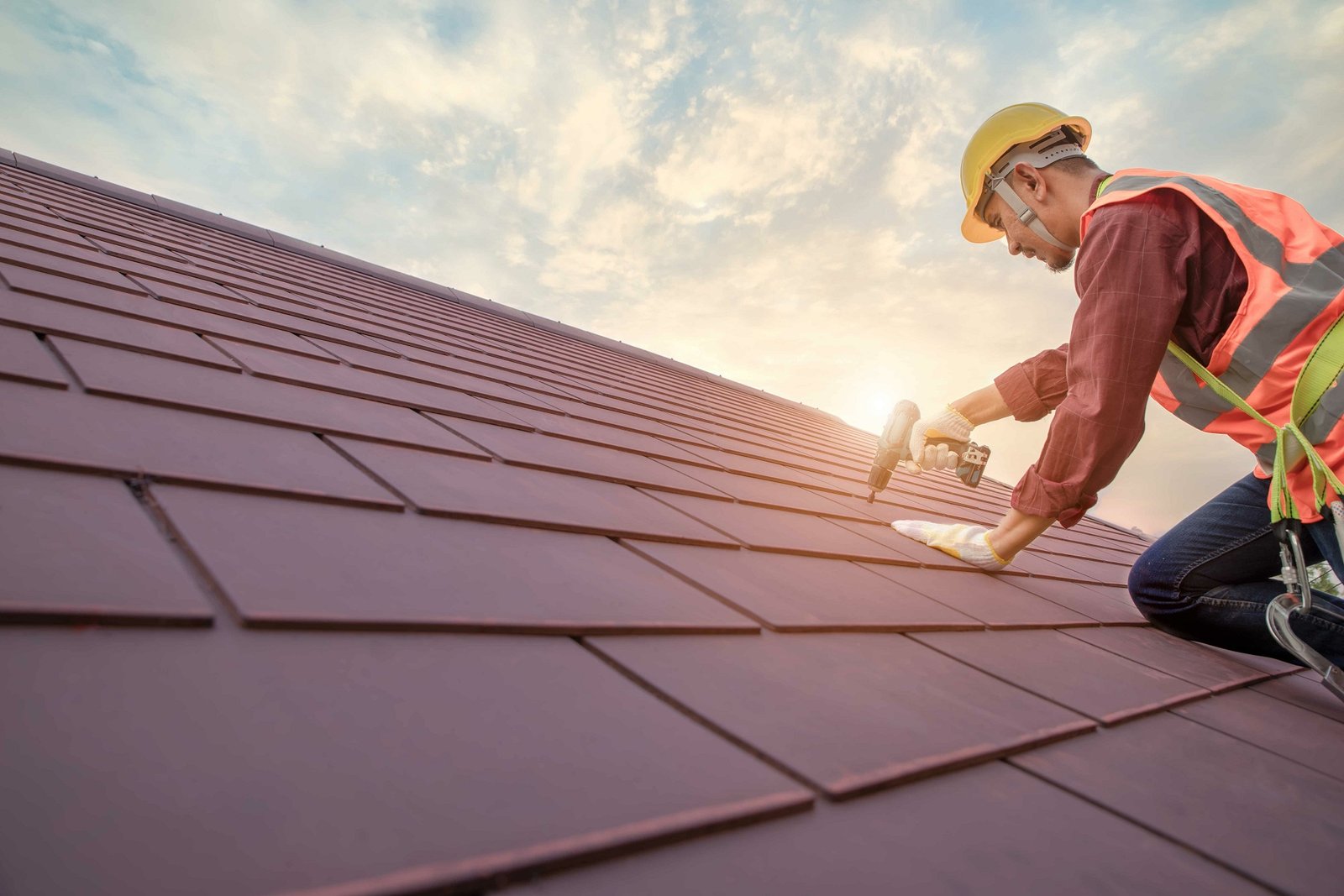
Professional roofing contractors carry the training, equipment, and insurance to do the job correctly and safely. More importantly, they understand how all the components—shingles, underlayment, decking, flashing, ventilation—work together as a system.
What Sets a Good Roofing Company Apart
Not every contractor who picks up a phone and shows up with a ladder delivers the same quality of work. A few markers of a roofing company worth trusting:
Clear, itemized estimates: You should know exactly what you’re paying for before any work begins. Vague quotes are a red flag.
Local reputation: A company with deep roots in the community has real accountability. They can’t disappear after the job—they have neighbors, reviews, and referrals to protect.
Proper licensing and insurance: This protects you. Verify it before signing anything.
Post-project follow-through: The best roofing companies stand behind their work with warranties and are reachable if issues arise afterward.
Spruce Exteriors, LLC was built on these principles. Our goal isn’t just to complete a project—it’s to earn the kind of trust that turns a first-time customer into a long-term one.
Protect What’s Above You
Roofing Company services provide homeowners with expert installation, maintenance, and repair solutions that protect one of the most critical components of a home while preserving its value and safety. Your roof doesn’t ask for much—just routine attention, timely repairs when problems arise, and a contractor who treats your home with the same care they would their own.
If you haven’t had your roof inspected recently—or if something has been nagging at you—now is a good time to act. Reach out to Spruce Exteriors, LLC for a professional assessment. A few minutes of your time today could prevent a major headache tomorrow.