






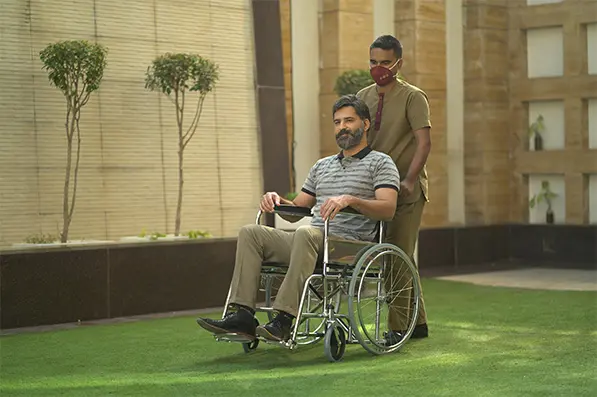
There’s a moment many families recognize. A parent moves a little slower. A grandparent repeats the same story twice in one conversation. The house that once buzzed with activity feels a little too quiet. And suddenly, the question no one wanted to ask out loud becomes unavoidable: what happens next?
For most seniors, the answer isn’t a nursing home or an assisted living facility—it’s staying right where they are. Research consistently shows that the vast majority of older adults want to age in place. And with the right support, many can. At-home senior care has become one of the most meaningful and practical solutions for families navigating this stage of life, offering a way to preserve independence without sacrificing safety or well-being.
But what does quality in-home care actually look like? And how do you know when it’s time to pursue it?
Why Home Is More Than Just a Place
For seniors, home carries a weight that goes beyond four walls and a familiar address. It’s routine. It’s dignity. It’s waking up in the same bed, brewing coffee in the same kitchen, and watching the same birds visit the backyard feeder every morning.
When older adults are uprooted from that environment—even with the best intentions—the transition can take a real toll. Studies have linked relocation stress in seniors to increased rates of depression, cognitive decline, and even mortality. The disruption of familiar surroundings removes the invisible scaffolding that helps many seniors navigate daily life. At-home senior care works with that reality instead of against it. Rather than adapting the person to a new environment, it adapts care to the person’s existing one. That shift in approach makes an enormous difference.
What At Home Senior Care Actually Covers
One of the most common misconceptions about in-home care is that it’s only for seniors with serious medical needs. The reality is far more nuanced.
At-home care spans a wide spectrum of support. On one end, it includes companionship and light assistance—help with grocery shopping, meal preparation, transportation to appointments, or simply having someone present during the day. On the other end, it includes skilled nursing care, medication management, wound care, and physical therapy delivered directly in the home.
Between those two poles are a range of services most families find enormously useful:
- Personal care assistance: Help with bathing, dressing, grooming, and mobility
- Household support: Cleaning, laundry, and home organization
- Cognitive support: Structured activities and routines for seniors with dementia or memory loss
- Overnight or 24-hour care: For seniors who need round-the-clock supervision
- Respite care: Temporary relief for family caregivers who need a break
Providers like Frans Stay At Home Care specialize in matching this kind of tailored support to each individual’s needs—recognizing that no two seniors, and no two families, are quite the same.
The Signs That In-Home Support Might Be Needed
Families often wait longer than they should before exploring care options. It’s understandable. The subject feels heavy, and raising it can seem like a concession nobody is ready to make.
But in-home care doesn’t have to be a last resort. Catching the signs early and acting on them means seniors receive support before a crisis forces the issue.
Some signs worth paying attention to:
Changes in the home environment. Dishes piling up, unopened mail stacking on the counter, expired food in the refrigerator—these small details often reflect larger difficulties with managing daily tasks.
Shifts in personal appearance. If a senior who took great pride in their appearance is showing signs of poor hygiene or wearing the same clothes repeatedly, it may indicate they’re struggling with personal care.
Increased isolation. Social withdrawal is both a symptom and a risk factor for cognitive decline. Seniors who stop engaging with friends, hobbies, or community activities often benefit significantly from regular companionship.
Unexplained injuries or near-misses. Falls are the leading cause of injury among older adults. If a senior has had a fall or is frequently bumping into furniture, an in-home caregiver can help manage fall risks before they escalate.
Caregiver burnout in the family. Sometimes the need for at-home senior care isn’t about the senior at all—it’s about the adult child or spouse who has been shouldering care responsibilities alone and is reaching a breaking point.
Choosing the Right At-Home Care Provider
Not all in-home care services are created equal. The quality of care depends heavily on the people delivering it, and finding the right fit takes more than a quick Google search.
When evaluating providers, consider these factors:
Consistency of caregivers. Rotating staff can be disorienting for seniors, particularly those with dementia. Providers who prioritize caregiver-client consistency tend to deliver better outcomes.
Care planning and personalization. A good provider doesn’t offer a one-size-fits-all package. They assess the senior’s specific needs, preferences, and goals, then build a care plan around those findings.
Communication with families. Transparency matters. Look for providers that keep family members informed and involved, especially when a senior’s condition changes.
Training and oversight. Ask about how caregivers are trained, supervised, and supported. The best providers invest in their staff—because caregiver quality directly shapes the experience of the person receiving care.
Frans Stay At Home Care, for example, focuses on building genuine relationships between caregivers and clients. Care is most effective when it’s built on trust, and trust is built over time—through consistency, attentiveness, and genuine human connection.
The Family’s Role in At-Home Senior Care
Choosing in-home care doesn’t mean stepping back. It means stepping into a different role.
Family members remain essential—as advocates, as sources of emotional connection, and as partners in the care relationship. The most successful at-home care arrangements are ones where families stay engaged: asking questions, sharing concerns, and remaining present in their loved one’s life even as professional caregivers take on day-to-day responsibilities.
That collaboration also helps care evolve as needs change. A senior who initially needs only light assistance may eventually require more intensive support. When families and caregivers communicate openly, those transitions happen more smoothly—without gaps or crises in between.
Age in Place, With the Right Support
At home senior care provides compassionate, personalized support that allows older adults to remain in the comfort of their own homes while receiving the assistance they need to stay safe, independent, and confident in their daily lives. Aging at home isn’t about pretending nothing has changed—it’s about ensuring that as needs evolve, the level of support grows alongside them.
At-home senior care, when done well, allows older adults to continue living on their own terms. It acknowledges that independence doesn’t disappear the moment help is needed. It reframes care not as a surrender, but as a strategy.
If your family is beginning to navigate this conversation, Frans Stay At Home Care is a strong place to start. Reach out to discuss what a personalized care plan might look like for your loved one—and take the first step toward a solution that works for everyone.