






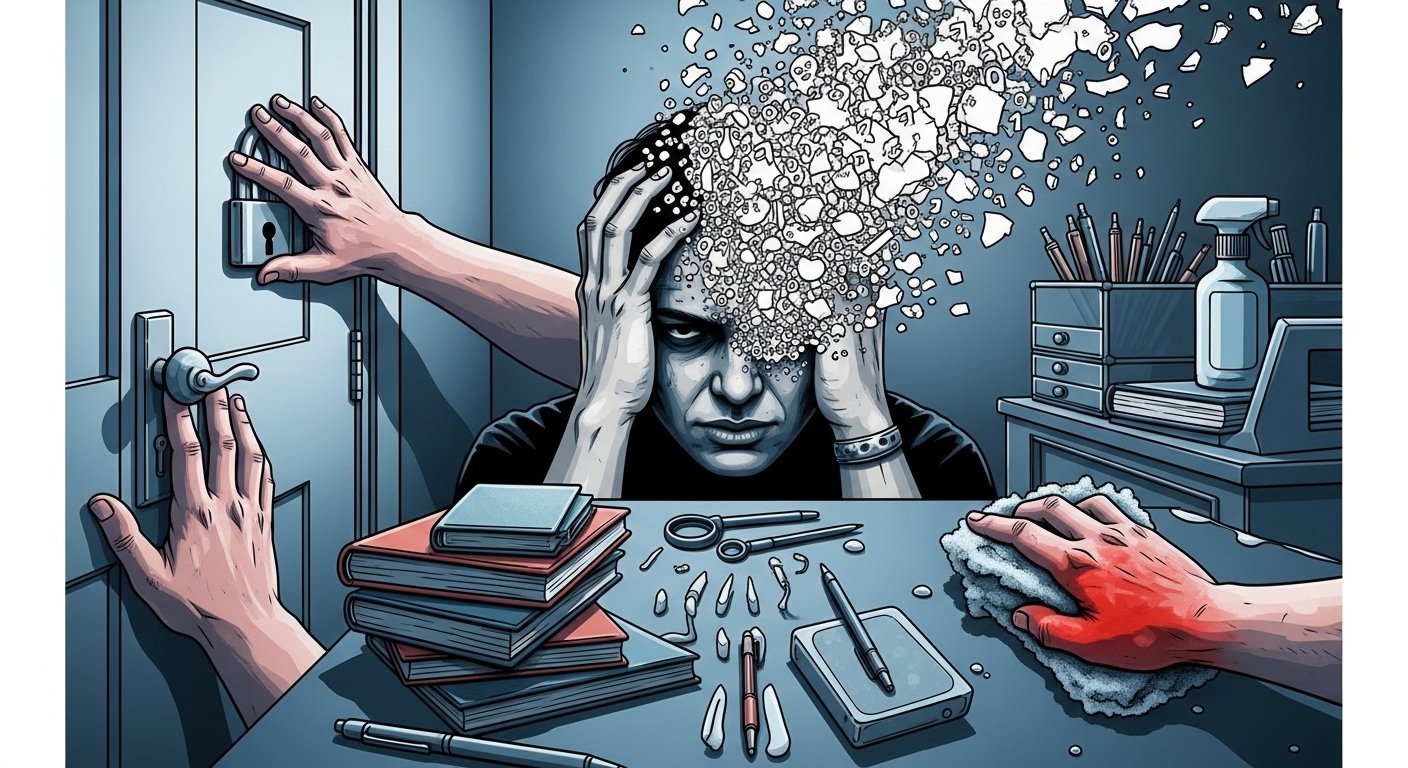
Obsessive-Compulsive Disorder (OCD) is one of the most misunderstood mental health conditions. Myths and misconceptions are deeply woven into public perception, which can have damaging effects on people living with OCD. The need to separate fact from fiction is more important than ever, not just for awareness, but also to ensure people receive compassionate support or professional help such as TMS for OCD.
Many people equate OCD with a quirky personality trait, when in reality it is a persistent and sometimes severe disorder. Misinformation leads to stigma, prevents early intervention, and leaves many to struggle alone. Understanding the real impact of these misconceptions helps family, friends, and society as a whole provide meaningful encouragement and appropriate pathways to recovery.
Myth 1: OCD Is Just About Cleanliness
Popular culture has painted an incomplete picture of OCD for decades. Most people associate the disorder with frequent hand washing or an obsession with order. In truth, OCD is defined by the presence of obsessions, such as unwanted, intrusive thoughts, and compulsions, which are behaviors or rituals aimed at reducing anxiety that these obsessions create. While cleanliness can be one aspect, many people with OCD are affected by fears around safety, morality, losing control, or causing harm.
For example, some may deal with mental checking or counting rituals instead of cleaning routines. By limiting understanding to visible compulsions, many who are affected by less obvious types are overlooked by those around them and even by healthcare professionals, leading to delays in getting helpful treatment.

Myth 2: Everyone Is a Little OCD
Throwaway comments like “I’m so OCD” when talking about a detail-oriented habit or preference may seem harmless, but they distort the real experience of those who live with the disorder. True OCD is more than an occasional desire for order. It is a mental health challenge that can disrupt work, relationships, and quality of life. It causes distress that goes well beyond preference or personality and is not under voluntary control.
This casual language trivializes the condition and creates an environment where people with OCD feel misunderstood. It may also prevent them from seeking help due to a fear of not being taken seriously by others, particularly in workplaces or educational settings. According to the National Institute of Mental Health, early and appropriate treatment is critical, which makes combating this myth even more important.
The impact of these casual misconceptions goes even deeper when repeated in media and pop culture, further fueling the belief that OCD is simply about personal quirks or neatness. When these stereotypes are reinforced, it becomes more difficult for those affected to explain their struggles or persuade others that their symptoms stem from an actual disorder, not just a preference for cleanliness or symmetry.
Myth 3: OCD Is Rare
Another persistent misconception is that OCD is uncommon. In reality, research suggests that between 2 and 3 percent of the global population will experience OCD at some point in their lives. Millions are currently living with the disorder, making it more common than people realize. Because of stigma and persistent myths, many remain undiagnosed, dealing with the condition in silence.
Recognizing how widespread OCD is can help break isolation, encourage people to seek support, and lead to greater societal acceptance. It also mobilizes resources and can push for more funding for research and treatment programs at both local and national levels.
Awareness campaigns and educational outreach can further help dispel this myth, encouraging open discussion around OCD and emphasizing that those affected are not alone. Sharing real stories of individuals with OCD can also foster empathy and highlight the diverse range of experiences within this community.
Myth 4: OCD Is Not Serious
Some view OCD as merely an inconvenience or even a personality quirk. In fact, OCD ranks among the top ten most disabling illnesses in terms of lost income and reduction of quality of life, according to the World Health Organization. The debilitating anxiety and repetition associated with OCD can interfere severely with daily functioning, relationships, and even the ability to hold down a job or attend school. In extreme cases, the disorder is linked to depression and suicidal thoughts.
Acknowledging OCD as a severe and genuine health issue is critical for helping those suffering to find proper care and understanding. Timely recognition encourages healthcare systems to prioritize mental health resources and intervention strategies. For more on the overall impact of anxiety and related disorders, see this overview at Mayo Clinic.
Additional support for people with OCD is essential, as untreated symptoms can escalate, making daily life even harder to manage. For families and caregivers, understanding the seriousness of OCD allows for more effective advocacy and better communication with mental health providers when seeking or coordinating care.
Myth 5: OCD Is Always Visible
It’s easy to assume that because you cannot see someone’s rituals, they are not dealing with OCD. However, many people with OCD engage in “mental compulsions” such as silent counting, avoiding certain thoughts, or repeating phrases internally. Unlike physical behaviors, these compulsions happen in the mind and can be even more disruptive as they are hard to break and publicly invisible.
The hidden nature of these symptoms means those affected are often misunderstood or accused of exaggeration. It also complicates diagnosis and means that friends and loved ones need to be attentive and supportive, even without visible clues.
Greater awareness of invisible symptoms can help reduce feelings of alienation for people with OCD. Understanding that compulsions can exist solely within the mind broadens our definition of what OCD really looks like and empowers people to seek support without fear of being dismissed or doubted.
Conclusion
The spread of myths about OCD continues to harm help-seeking and day-to-day quality of life for those affected. By raising awareness and recognizing OCD as a serious, complex disorder, we help create space for honest discussion, better treatments, and more compassionate responses. Improving public understanding benefits not only individuals living with OCD but society as a whole.
Dispelling OCD myths helps foster environments in workplaces, schools, and communities where empathy and assistance are the norm, not the exception. This broader understanding paves the way for improved mental health literacy and a future where people with OCD are met with the patience, resources, and dignity they truly deserve.