






Walk into any hiring fair in Toronto, Vancouver, or Montreal right now and you’ll notice something different about the candidates who actually get callbacks. They’re not just charming and well-dressed. They carry a folder—sometimes digital, sometimes literal—stuffed with certifications that prove they can do the job before their first training shift.
Hospitality hiring has changed. Labour shortages grabbed headlines for a couple of years, but the market has quietly tightened again. Venues are pickier now. Managers scan resumes for tangible proof that an applicant understands alcohol regulations, food safety, and guest experience—not just a vague willingness to learn. If your resume reads like everyone else’s, you’re invisible.
The Three Credentials That Actually Matter in 2026
After talking with dozens of bar managers, hotel F&B directors, and restaurant owners over the past year, I keep hearing the same wish list. Three credentials come up almost every single time, and holding all three before you even sit down for an interview dramatically improves your odds.
1. Responsible Alcohol Service Certification (Smart Serve or Provincial Equivalent)
This one is non-negotiable. In Ontario, the Smart Serve program is the only training approved by the Alcohol and Gaming Commission of Ontario for anyone selling, serving, or handling liquor. Other provinces carry their own equivalents—ProServe in Alberta, Serving It Right in B.C. Without this credential, you legally cannot pour a pint. More importantly, showing up to an interview with a valid certificate tells a manager that onboarding you won’t slow down their floor.
2. Food Handler Certification
Health inspections keep tightening across the country. Kitchens and front-of-house teams increasingly need documented food safety training, and many municipalities now require it by law. A Food Handler certificate signals that you understand safe temperatures, allergen protocols, and cross-contamination risks—skills that protect a venue from fines, lawsuits, and ugly headlines.
3. Service Excellence or Guest Experience Training
This is the differentiator that separates career hospitality professionals from seasonal workers. Programs focused on de-escalation, upselling, and anticipatory service show employers you think beyond “take order, deliver plate.” Boutique hotels and fine-dining spots actively recruit candidates who can point to formal training in guest psychology and service recovery.
Why “Stacking” Gives You the Hiring Edge
A 2024 Canadian Tourism Human Resource Council survey found that candidates who presented two or more relevant certifications at the interview stage were roughly 70 percent more likely to receive an offer compared to those holding none. The logic is straightforward: certified candidates reduce risk. Every day a manager spends waiting for a new hire to finish mandatory training is a day they’re short-staffed or bleeding overtime.
Think of your certifications like compound interest for your career. Individually, each one checks a box. Together, they paint a picture of someone who takes the profession seriously—someone worth investing in with better shifts, faster promotions, and access to higher-paying venues.
Speed Is Your Secret Weapon
Efficiency is everything in the hiring process. Managers don’t want to wait 30 days for you to get certified; they want you ready to roll. If your certificate has lapsed or you’re starting fresh, speed is your ally. Taking a Smart Serve practice test allows you to pass the proctored exam on your first attempt, turning a multi-week hurdle into a 48-hour victory so you can land the job before the weekend rush.
The same logic applies to food safety courses. Most are available online, self-paced, and can be knocked out in an afternoon. Complete them now and you walk into interviews holding proof instead of promises.
Putting It All Together
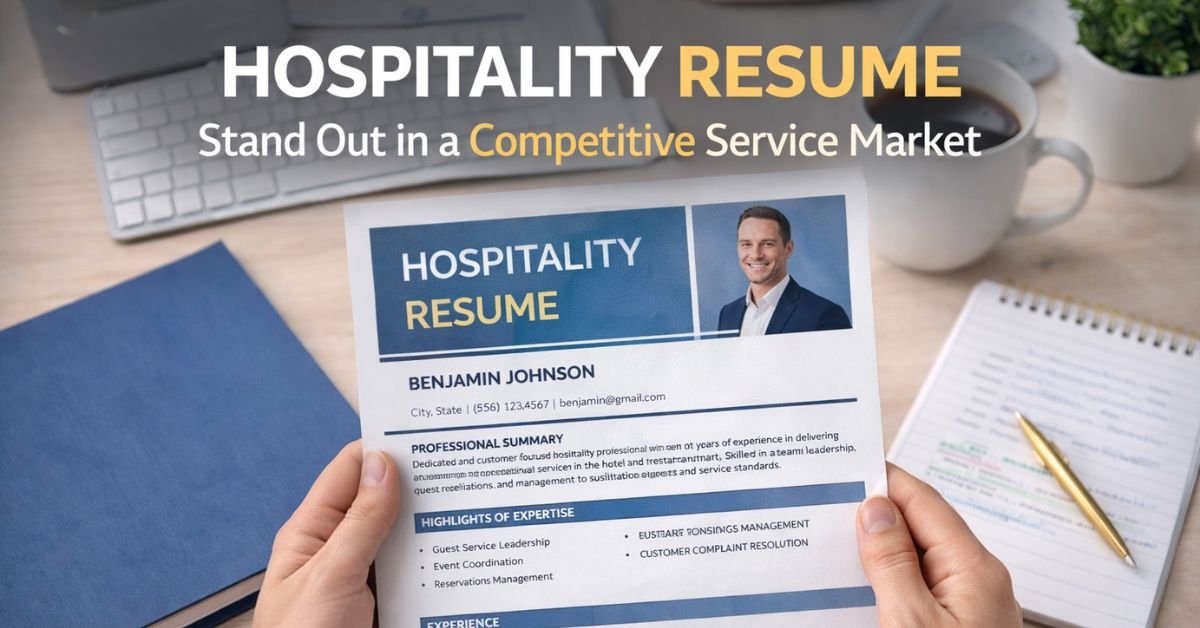
The old hospitality resume was a list of past gigs and a line about being a “team player.” The 2026 version leads with credentials, follows with measurable results from previous roles, and closes with genuine personality. Hiring managers spend an average of seven seconds scanning a resume. A clean certifications section right under your name grabs those seconds and makes them count.
Get certified, get stacked, and get hired. The venues you actually want to work in aren’t just looking for warm bodies anymore—they’re looking for professionals. Make sure your resume proves you are one.
You May Like : Chandelease Explained: Meaning, Benefits & How It Works