










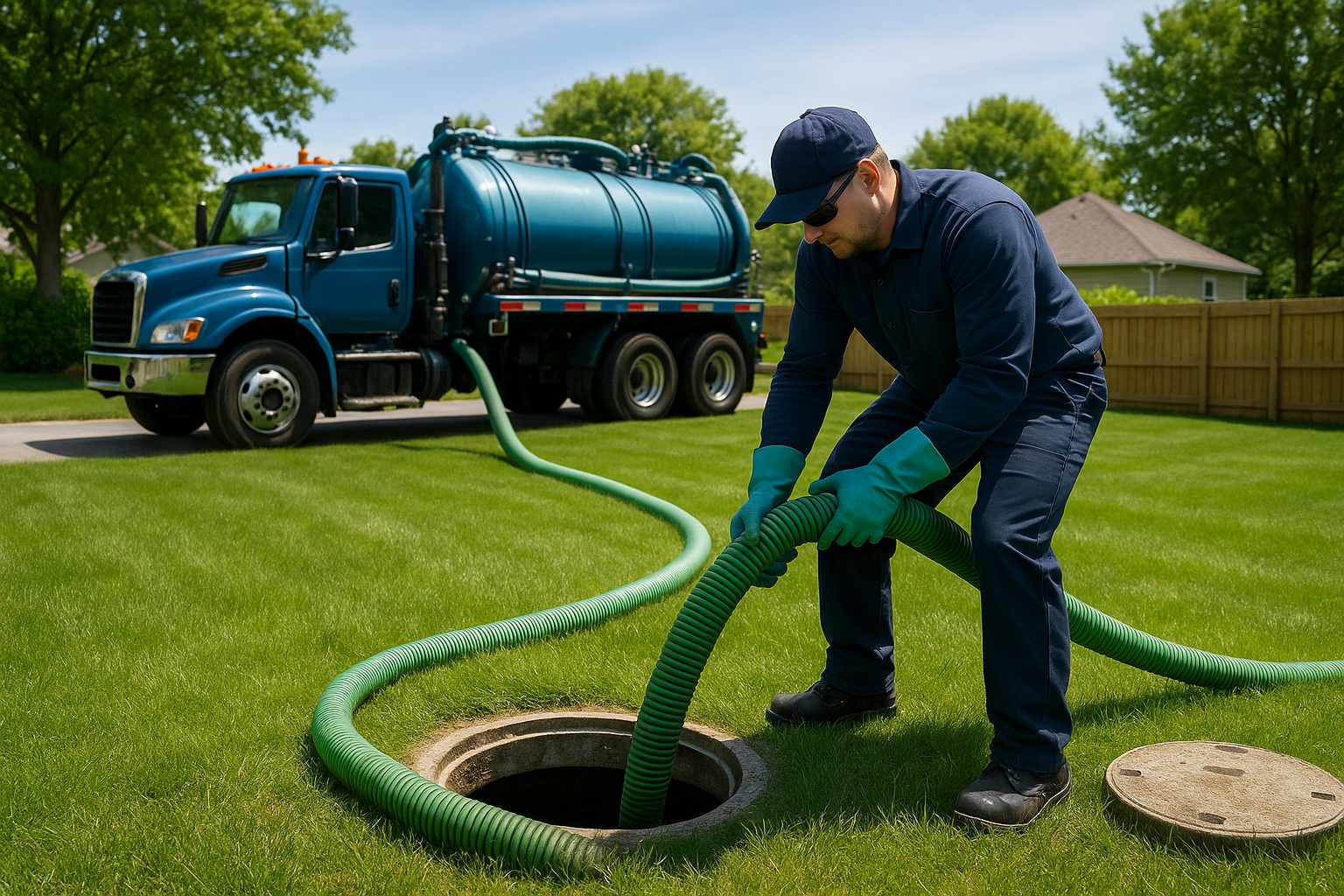
Your septic system works quietly beneath your property, processing waste day after day without fanfare. But when maintenance gets pushed to the back burner, that silence can quickly turn into an expensive nightmare. Many homeowners underestimate the true cost of neglecting septic tank cleaning—not just in dollars, but in property damage, health risks, and stress.
Understanding what’s at stake can help you make smarter decisions about your septic system care. Let’s explore why regular maintenance isn’t just recommended—it’s essential.
What Actually Happens Inside a Neglected Septic Tank
Septic tanks are designed to separate solids from liquids, allowing wastewater to flow into the drain field while solid waste settles at the bottom. Over time, these solids accumulate into a thick layer of sludge. Without regular cleaning, this sludge builds up until it has nowhere to go but into your drain field or back into your home.
The process doesn’t happen overnight. Most tanks can function for years before showing obvious signs of trouble. That’s precisely what makes neglect so dangerous—by the time you notice a problem, significant damage may have already occurred.
Bacteria inside your tank work hard to break down organic matter, but they can’t eliminate everything. Non-biodegradable items, excessive grease, and certain household chemicals can disrupt this delicate ecosystem. When the bacterial balance gets thrown off, waste accumulates even faster.
The Financial Impact of Deferred Maintenance
Routine septic tank cleaning typically costs a few hundred dollars every three to five years. Skip this service, and you might face bills that run into the thousands—or even tens of thousands.
A backed-up septic system can damage your drain field, the component responsible for filtering wastewater back into the soil. Replacing a failed drain field often costs between $5,000 and $20,000, depending on your property’s size and soil conditions. That’s money that could have been saved with regular pumping.
Beyond the septic system itself, overflow can damage your landscaping, contaminate wells, and create standing water that attracts pests. Some homeowners have had to replace flooring, drywall, and personal belongings after sewage backed up into their homes. These disasters rarely get covered by standard homeowners insurance policies, which typically exclude damage from maintenance-related issues.
Property value takes a hit too. Prospective buyers will request septic inspections, and a failing system can derail a sale or force you to make expensive repairs before closing. Even if you manage to sell, you’ll likely need to reduce your asking price to account for the problem.
Health Hazards You Can’t Ignore
A malfunctioning septic system poses serious health risks to your family and neighbors. Raw sewage contains harmful bacteria, viruses, and parasites that can cause illnesses ranging from mild gastrointestinal issues to severe infections.
When sewage backs up into your home, airborne pathogens can spread through your living spaces. Children, elderly family members, and anyone with compromised immune systems face the greatest risk. Even brief exposure to contaminated surfaces can lead to illness.
Outside your home, septic overflow can contaminate groundwater and nearby water sources. If your property has a well, bacteria like E. coli can infiltrate your drinking water supply. Neighbors with wells could also be affected, potentially leading to liability issues.
Standing water from septic overflow creates breeding grounds for mosquitoes and attracts rodents. These pests can carry additional diseases and create secondary problems that extend far beyond your septic system.
Environmental Consequences of Septic Neglect
Your septic system connects directly to the environment. When it fails, the impact extends beyond your property line.
Untreated wastewater contains nutrients like nitrogen and phosphorus. In small amounts, soil can filter these naturally. But when a failing septic system releases large quantities, these nutrients can reach streams, lakes, and coastal waters. The result? Algae blooms that deplete oxygen levels and harm aquatic life.
Some areas have strict regulations about septic system maintenance specifically because of these environmental concerns. If your failing system causes contamination, you could face fines from local health departments or environmental agencies. In severe cases, you might be required to install a completely new system at your expense, even if repairs would have been sufficient.
Communities near water bodies are particularly vulnerable. Lakes that rely on tourism can suffer economic damage from contamination caused by poorly maintained septic systems. Being a responsible property owner means understanding your role in protecting shared natural resources.
Warning Signs You Shouldn’t Ignore
Septic problems rarely announce themselves with a single dramatic event. Instead, they develop gradually through subtle warning signs that are easy to dismiss.
Slow drains throughout your home often indicate that your tank is reaching capacity. If multiple fixtures drain slowly at once, the problem likely originates in your septic system rather than individual pipes.
Sewage odors around your drain field or inside your home signal that gases can’t escape properly. These smells might come and go at first, but they’ll become more persistent as sludge levels rise.
Unusually lush grass above your drain field might seem like a positive development, but it actually indicates that your system is leaching nutrients where it shouldn’t. This often means your tank is overfull and pushing partially treated wastewater into areas meant to stay dry.
Gurgling sounds from toilets or drains suggest air is trapped in your plumbing system because wastewater can’t flow freely. This symptom often appears alongside slow drains.
Why Professional Septic Tank Cleaning Matters
Some homeowners consider septic maintenance a DIY project, but this approach carries significant risks. Professional services like those offered by Underwood Plumbing and Septic Services LLC bring specialized equipment and expertise that ensure the job gets done safely and thoroughly.
Pumping a septic tank requires more than just removing liquid. Professionals inspect tank components, check for cracks or damage, and measure sludge levels to determine whether pumping frequency should be adjusted. They can spot early warning signs that homeowners typically miss.
Proper disposal of septic waste is also crucial. Licensed professionals know how to transport and dispose of waste in compliance with local regulations. Improper disposal can result in fines and environmental damage.
During cleaning, technicians can identify problems like damaged baffles, cracked tank walls, or failing inlet and outlet pipes. Catching these issues early prevents more extensive damage and gives you time to budget for repairs.
Creating a Maintenance Schedule That Works
Most residential septic tanks need cleaning every three to five years, but your specific timeline depends on several factors. Household size plays a major role—more people generate more wastewater and solids. Tank size matters too; smaller tanks fill up faster.
Your water usage habits influence maintenance needs as well. Households that use garbage disposals, run multiple loads of laundry daily, or have water softeners may need more frequent service.
Keeping records of when your tank was last cleaned helps you stay on schedule. Many septic service providers will send reminders when it’s time for your next appointment, taking the guesswork out of maintenance planning.
If you’ve recently moved into a home with a septic system, schedule an inspection even if the previous owner claimed recent service. Starting with a clean slate gives you a reliable baseline for future maintenance.
Protecting Your Investment Starting Today
Septic tank cleaning protects your home, prevents costly system failures, and ensures safe, efficient wastewater management. Your septic system is a critical part of your home’s infrastructure, and treating it with professional care safeguards your financial investment, protects your family’s health, and helps preserve the environment. Regular septic tank cleaning removes buildup, prevents clogs and backups, and extends the life of your system, giving you reliable performance and peace of mind year-round.
Regular septic tank cleaning through qualified professionals like Underwood Plumbing and Septic Services LLC doesn’t just prevent problems—it extends your system’s lifespan and maintains your property’s value. The peace of mind that comes from knowing your septic system is functioning properly is worth far more than the cost of routine maintenance.
Don’t wait for warning signs to appear. Schedule your septic tank cleaning today and avoid the hidden costs that come from putting it off.