










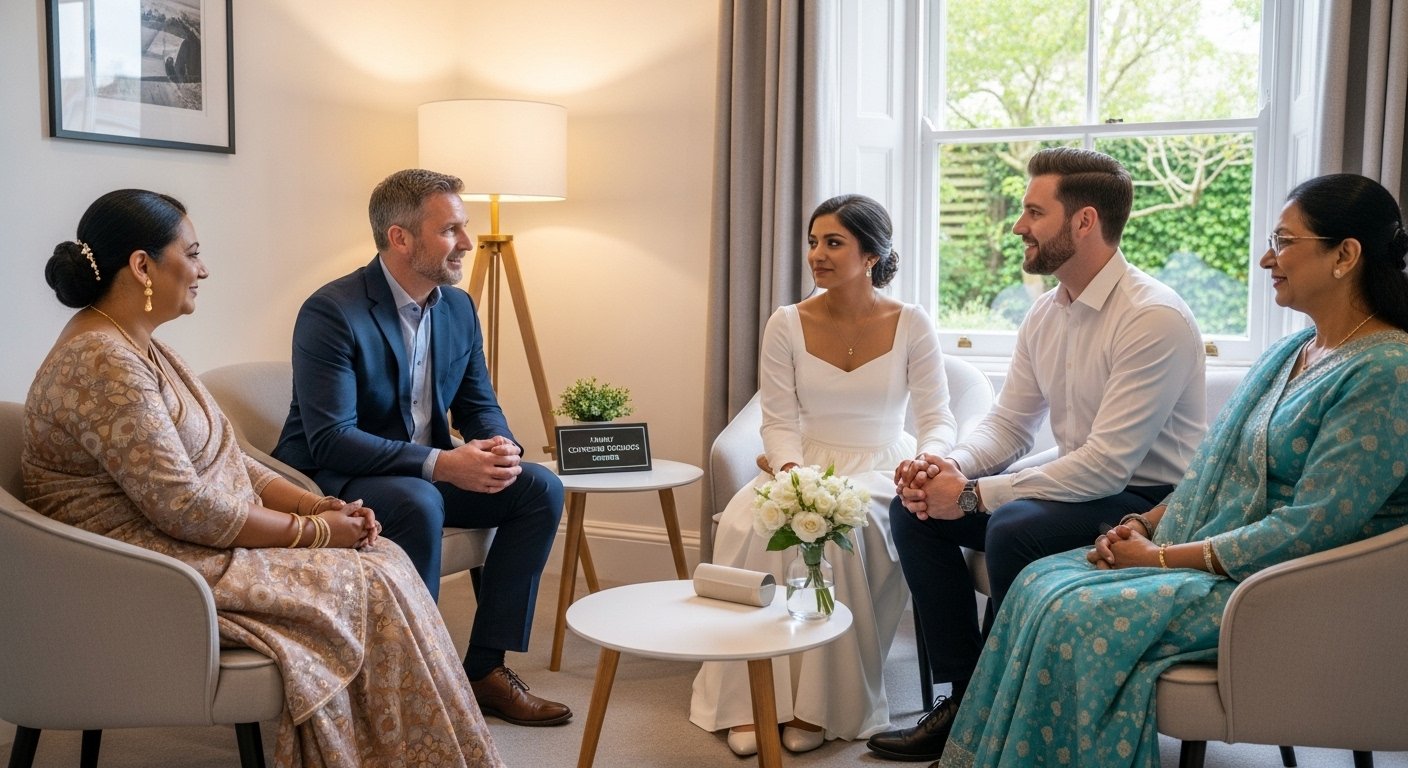
Marriage is not just the union of two individuals—it often brings together two families, traditions, and expectations. In many cultures, especially in South Asian households, newly married couples frequently live with or near their parents.
While this arrangement can offer emotional and financial support, it can also create misunderstandings, conflicts, and adjustment challenges. This is where parent counselling plays a vital role in ensuring harmony within the household. Alongside it, couple counselling becomes equally important in helping partners navigate their new life together.
Understanding the Dynamics of a Joint Family
Living with parents after marriage introduces a complex family dynamic. Parents may have long-established routines, values, and expectations, while the newlywed couple seeks independence and space to build their relationship. Differences in communication styles, generational gaps, and cultural expectations can lead to friction if not managed properly.
Parent counselling helps families recognize these dynamics and prepares them to handle change with empathy and flexibility. It creates awareness that a new member in the family brings not just joy but also a need for adjustment on all sides.
The Role of Parent Counselling
Parent counselling focuses on guiding parents to support their children’s marriage in a healthy and constructive way. It encourages parents to shift from a controlling role to a more supportive one, allowing the couple to grow independently while still being part of the family.
One of the key aspects of parent counselling is improving communication. Parents learn how to express their concerns without being intrusive or judgmental. They are also taught to listen actively, respect boundaries, and avoid unnecessary interference in the couple’s personal matters.
Additionally, counselling helps parents understand the importance of emotional space. Newly married couples need time to bond, make decisions, and establish their own routines. When parents respect this need, it reduces tension and fosters mutual respect within the household.
Managing Expectations and Boundaries
Unrealistic expectations are a common source of conflict in joint family setups. Parents may expect the daughter-in-law or son-in-law to adapt quickly to family traditions, while the couple may feel overwhelmed by these demands.
Parent counselling addresses this issue by helping families set realistic expectations and healthy boundaries. It encourages open discussions about roles, responsibilities, and personal preferences. This clarity prevents misunderstandings and ensures that everyone feels valued and respected.
Promoting Emotional Balance
Emotions often run high in family settings, especially during the early stages of marriage. Parents may feel a sense of loss as their child’s priorities shift, while the couple may feel pressured to meet everyone’s expectations.
Counselling provides a safe space for parents to process these emotions and adapt to their evolving roles. It helps them embrace change positively and focus on building a supportive environment rather than resisting it.
The Importance of Couple Counselling
While parent counselling addresses the broader family dynamic, couple counselling focuses on strengthening the relationship between the partners. It equips newlyweds with the tools to communicate effectively, resolve conflicts, and support each other.
Couples counselling helps partners align their expectations regarding living arrangements, finances, and family involvement. It encourages them to present a united front while dealing with external pressures, including those from parents.
In situations where conflicts arise between the couple and their parents, therapy techniques such as Cognitive Behavioral Therapy can be used to address negative thought patterns and improve emotional responses. This ensures that disagreements are handled constructively rather than escalating into major issues.
Strengthening Relationships Across Generations
When both parent and couple counselling are combined, they create a balanced approach to family harmony. Parents become more understanding and supportive, while couples develop the confidence to navigate challenges together.
This dual approach also promotes mutual respect across generations. Parents learn to appreciate the couple’s need for independence, and the couple, in turn, learns to value the wisdom and experience of their elders. Such an environment fosters stronger emotional bonds and a sense of belonging for everyone involved.
Preventing Long-Term Conflicts
Early intervention through counselling can prevent small issues from turning into long-term conflicts. It helps families address concerns before they escalate, ensuring a smoother transition into married life.
By fostering open communication, emotional awareness, and mutual respect, counselling creates a foundation for lasting harmony. This not only benefits the couple but also strengthens the overall family structure.
Conclusion
Parent counselling plays a crucial role in helping newly married couples adjust to life within a family setting. By guiding parents to adopt a supportive and understanding approach, it reduces conflicts and promotes a healthy environment. At the same time, couple counselling empowers partners to build a strong, resilient relationship.
Together, these forms of counselling ensure that newlyweds can enjoy a fulfilling married life while maintaining positive relationships with their parents. In a world where family dynamics are constantly evolving, counselling serves as a valuable tool for creating harmony, understanding, and lasting happiness.