










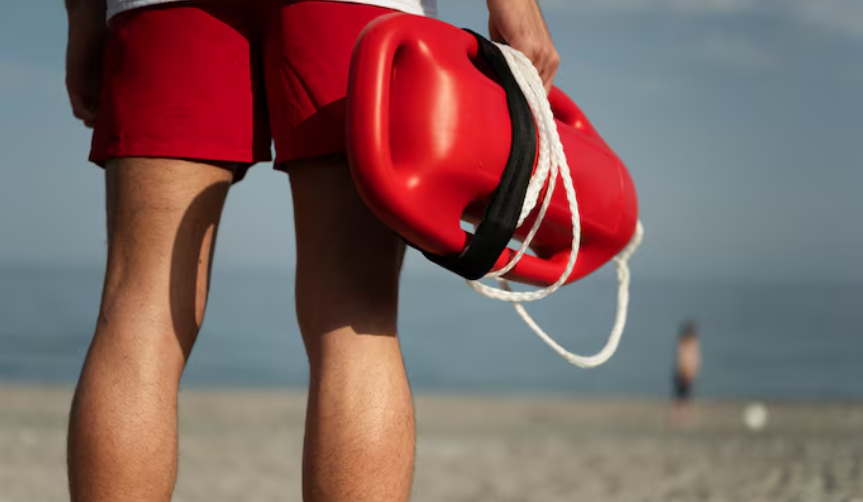
Water activities are popular in many parts of the world, from public swimming pools and beaches to water parks and recreational facilities. While these environments provide enjoyment and relaxation, they also carry risks that require proper safety supervision. Lifeguards play an important role in preventing accidents and responding to emergencies. To perform these responsibilities effectively, individuals must complete a structured lifeguard course that teaches essential rescue and safety skills.
A lifeguard course prepares participants to monitor aquatic environments, identify potential hazards, and respond quickly when someone is in danger. The training combines theoretical knowledge with practical exercises that simulate real-life situations. Participants learn how to maintain constant observation of swimmers, enforce safety rules, and act immediately if an emergency occurs.
One of the main goals of lifeguard training is prevention. Lifeguards are trained to recognise early warning signs of distress in the water. Swimmers who struggle or panic may show subtle signals before a situation becomes life-threatening. By identifying these signs early, lifeguards can intervene before a minor problem turns into a serious incident.
In addition to prevention, lifeguards must be prepared to perform rescues when necessary. A typical lifeguard course teaches different rescue techniques that are appropriate for various water conditions. These methods include reaching assists, throwing aids, and in-water rescues. Trainees practice how to approach distressed swimmers safely while protecting themselves from being pulled underwater.
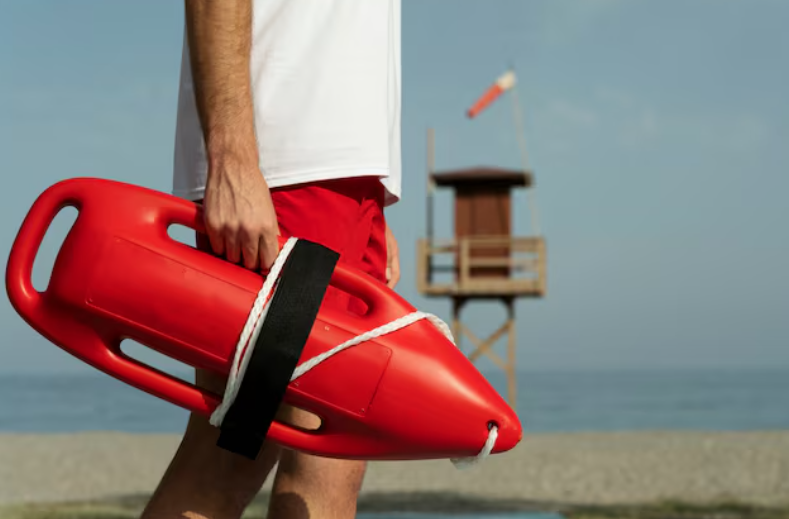
Physical fitness is another important part of lifeguard training. Lifeguards must be able to swim efficiently and maintain endurance in the water. Training programmes often include timed swimming tests, rescue drills, and exercises designed to improve strength and stamina. These requirements ensure that lifeguards can respond quickly and effectively when an emergency occurs.
First aid and cardiopulmonary resuscitation (CPR) are also core components of lifeguard courses. In water-related emergencies, victims may experience breathing difficulties, injuries, or unconsciousness. Lifeguards must know how to provide immediate care until medical professionals arrive. Training usually covers CPR techniques, the use of automated external defibrillators (AEDs), and basic first aid procedures.
Another important topic in lifeguard training is communication. Lifeguards often work as part of a team, especially in large facilities such as public pools, resorts, and beaches. Effective communication helps ensure that lifeguards coordinate their actions during emergencies. Training programmes emphasise clear signals, teamwork, and proper reporting of incidents.
Risk assessment is also included in many lifeguard courses. Participants learn how to evaluate aquatic environments for potential hazards. These hazards may include slippery surfaces, overcrowded pools, poor visibility, or unsafe swimmer behaviour. By identifying these risks, lifeguards can take steps to reduce accidents before they happen.
Lifeguard training programmes vary depending on the organisation and location, but most follow similar standards for safety and rescue techniques. Courses often include both classroom instruction and hands-on practice in a pool or open water setting. Assessments are conducted throughout the training to ensure that participants understand the material and can perform the required skills.
In the middle of their training journey, many participants choose to deepen their knowledge by enrolling in specialised programmes that expand their lifesaving abilities. Programmes such as a lifeguard course provide structured instruction for individuals who want to strengthen their rescue skills and gain experience in aquatic safety supervision. These programmes often include advanced rescue techniques, leadership training, and opportunities to assist with instruction.
Beyond technical skills, lifeguard courses also emphasise responsibility and situational awareness. Lifeguards must remain attentive during their entire shift, as emergencies can happen quickly and without warning. Maintaining focus and following safety procedures are essential for protecting swimmers and preventing accidents.
The training can also benefit individuals who are not planning to work professionally as lifeguards. Many participants enrol in lifeguard courses to improve their swimming ability, learn lifesaving skills, and gain confidence in water environments. Parents, coaches, and outdoor enthusiasts often find these skills valuable when supervising others near water.
Employment opportunities are another reason many people pursue lifeguard training. Aquatic facilities regularly require trained lifeguards to maintain safe operations. Resorts, community pools, sports clubs, and water parks depend on qualified personnel who understand safety protocols and emergency response procedures. Completing a lifeguard course can open the door to seasonal or long-term work in these environments.
In addition to job opportunities, lifeguard certification can be a stepping stone toward other careers related to safety, sports, and health. Some individuals continue their training to become swim instructors, water safety educators, or emergency responders. The knowledge gained in a lifeguard course builds a foundation that supports further training in these areas.
Technology and safety standards continue to evolve, which means lifeguards must stay updated with current practices. Many organisations require periodic recertification to ensure that lifeguards maintain their skills and knowledge. Refresher courses and ongoing practice help lifeguards stay prepared for emergencies.
Conclusion
A lifeguard course provides the knowledge and practical skills needed to supervise aquatic environments and respond to water-related emergencies. Through training in rescue techniques, CPR, first aid, and risk assessment, participants learn how to prevent accidents and assist swimmers in distress. The course also develops physical fitness, teamwork, and responsibility—qualities that are essential for effective lifeguarding. Whether pursued for professional opportunities or personal safety knowledge, lifeguard training plays an important role in promoting safer water environments for everyone.