










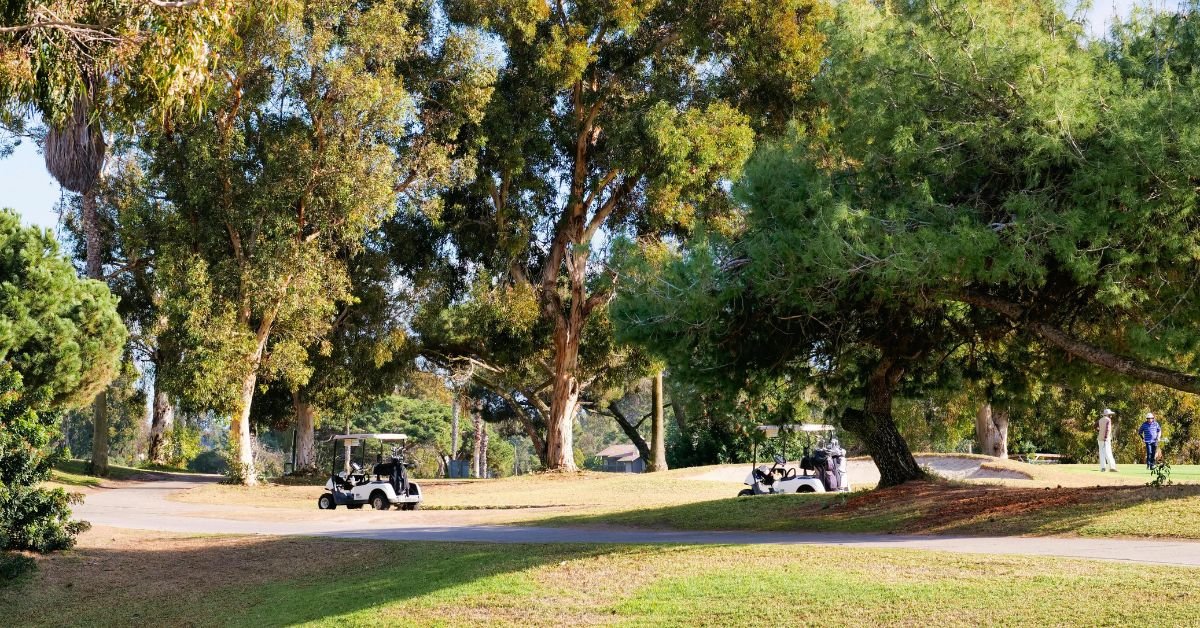
Imagine the vast green spaces you loved growing up, the parks and the riverside, changed permanently after a severe storm. The pangs are intense.
Extreme weather events destroy the physical features of vulnerable lands. They also taint the deep-rooted memories they contain for people in the neighborhood. Sadly, the unambiguous existence of climate change means such events are now alarmingly frequent.
Unsettling data from the Germany-based Potsdam Institute implies that the pace at which global warming impacts us has grown since 2015. The Paris Agreement had set a 1.5 °C limit for warming until 2030. Should the current pace continue, the Earth will likely surpass it much earlier than that.
Outdoor green spaces serve many wholesome purposes. They nurture us by moderating temperatures and providing opportunities for screen-free recreation. They promote community bonding. In these stressful times, protecting them has become a non-negotiable necessity for town planners and the larger community.
More Intuitive Stormwater Management Solutions
A greater pace of climate change also means we need to amp up strategies to address it. Many commercial establishments already design their infrastructure in preventive ways, ensuring that future properties are resilient. Think impact-resistant doors or reinforced roofs.
However, outdoor spaces often receive the brunt of destruction even when buildings remain intact. These include green courtyards and parking buffers. For outdoor sports businesses, storms can be especially damaging.
According to NDS, water pooling can damage the turf in golf courses, rendering them unusable. Storm events can also promote mildew growth if immediate action is not taken to handle the runoff.
Amid increasing frequency of inclement weather incidents, we need more intuitive stormwater management for golf & sports fields. A French drain system with impressive structural integrity can channel excess water away from the turf. This helps ensure playability. Even a pop-up emitter that discharges collected upstream water and flushes out debris can protect spaces from water damage.
Partnering with AI-driven solutions for predictive risk management is also excellent for being prepared for weather changes. The World Meteorological Organization recommends pairing automated forecasting with human oversight. The latter will allow the system to benefit from ethical judgment and the ability to transform machine outputs into practical steps.
Greens That Can Handle Rough Weather
Another approach to maintaining outdoor natural spaces in a world afflicted by climate change is to build climate resilience from within.
What if our greens could handle abrupt weather changes without withering away or getting blown off? If prolonged droughts or unprecedented floods could not shake off their desire to thrive and nourish us?
In 2025, the Guardian reported that many historic English gardens have started exploring drought-resistant plants. They are sourcing them from diverse regions, such as South America and Australasia.
The result? Visitors can enjoy beautiful maples and rare succulents. The investment is well worth it in their appreciation. Of course, let’s not forget the avoided loss from plants killed by droughts.
For town planning committees, considering xeriscaping or low-irrigation vegetation exemplifies strategic foresight. It can also encourage residents to adopt similar practices for their home gardens and backyards.
After all, access to green spaces remains a luxury. The UK’s Department for Environment, Food and Rural Affairs reports that in some urban areas, no one stays within a 15-minute walk of nature.
Xeriscaping or otherwise, green spaces must leverage sustainable water solutions. Even low-maintenance vegetation can benefit from rainwater harvesting and rain gardens. So can we all.
Of Barbecues and Wilderness Wildfires
Another considerable threat to green spaces is from wildfires, which are also becoming frequent. The World Resources Institute notes that 2024 was the most extreme year for wildfires in the US and globally. More than 13 million hectares of forest burned, exceeding the previous year’s number by 13 percent.
Interestingly, human activities don’t always help minimize the threats of global warming. Previously, the BBC had reported on discarded barbecues triggering forest fires. The Vancouver Board of Parks and Recreation advises against burning wood. It reiterates that we mustn’t keep barbecues too close to the ground, following the optimal height of 75 cm. It also recommends dousing them with cold water.
Do we always follow instructions? Reevaluating our actions and thinking mindfully about their consequences has become imperative. It is the only way we can live in harmony with the natural world in the truest sense. Sustainable development will not stay limited to CSR plans in decks.
Committing to such actions even in small ways, such as community initiatives, can accomplish more than we may assume. For example, UNDRR suggests that creating open spaces or firebreaks can help communities manage wildfires. These spaces require more fields and pastures. Working on creating them is an endeavor that communities can achieve as a unit.
All Hands on Deck
Protecting green spaces comes down to thoughtful interventions that consider 1) changing weather conditions, and 2) account for community dedication. Not all of us take “going green” seriously, but perhaps it isn’t an option.
We also need a more ownership-oriented outlook. We cannot transfer the burden to any solo stakeholder group, such as town planners or regulatory bodies.
Our world is warming both externally and simmering with internal tensions. Caring for green spaces that nourish us is the least we can do.