










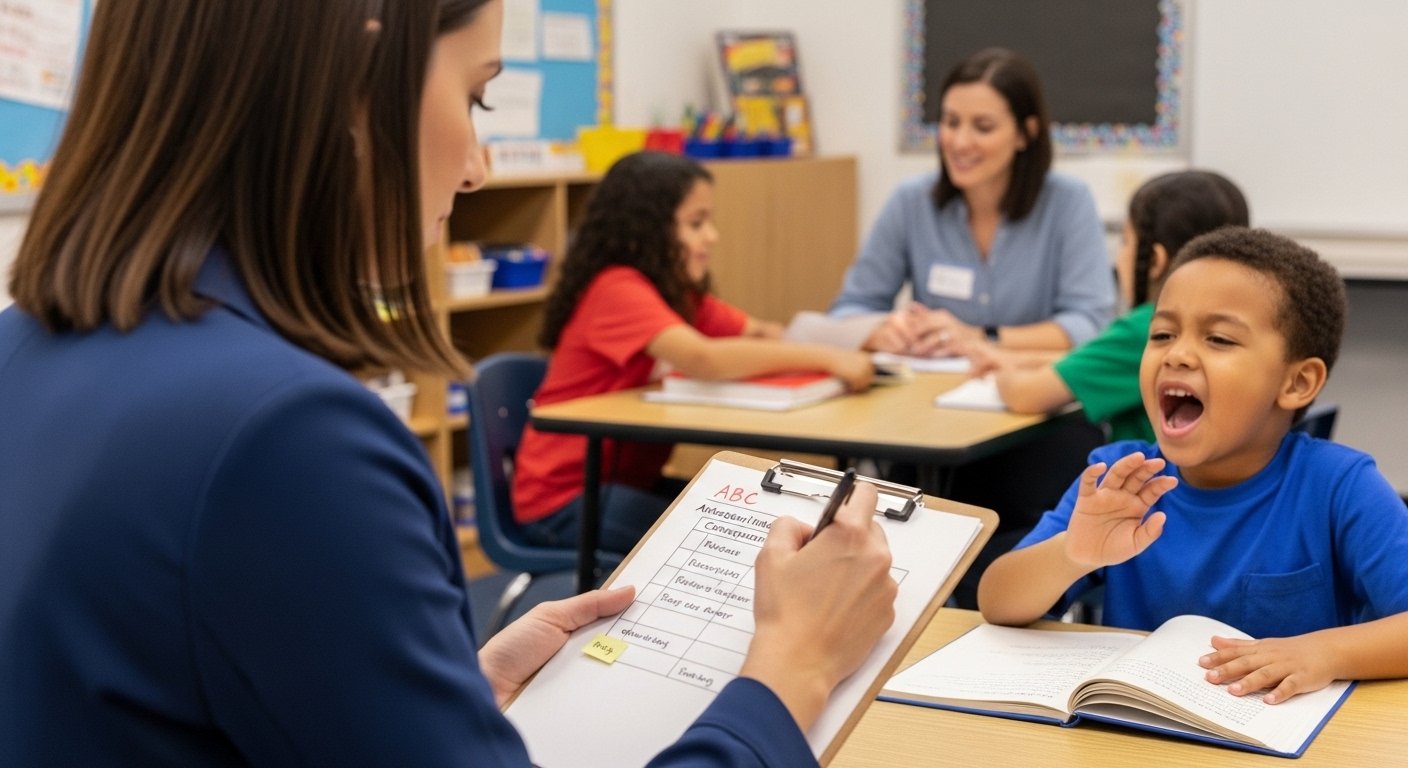
Understanding FBA (Functional Behavior Assessment)
When parents first encounter the term FBA (Functional Behavior Assessment), it may seem technical or intimidating, but it is fundamentally a systematic approach designed to uncover the underlying reasons behind a child’s behavior, especially behaviors that interfere with learning, social engagement, or daily life activities. In applied behavior analysis (ABA), understanding the function of behavior is crucial, as it allows practitioners to replace challenging behaviors with functional alternatives rather than simply attempting to suppress undesirable actions. The process of conducting an FBA is conducted by a Board Certified Behavior Analyst (BCBA), who uses professional training and expertise to observe, analyze, and interpret behaviors in the context of the child’s environment. The BCBA’s goal is not only to identify what behaviors are occurring but to understand why they occur, which becomes the guiding principle for developing an individualized intervention plan. For children participating in programs such as kids club ABA, this process ensures that therapeutic interventions are tailored to the child’s unique needs and consistently applied across multiple settings, which is essential for meaningful progress and skill generalization.
The Importance of Function-Based Behavior Analysis
The importance of an FBA cannot be overstated, as it moves away from reactive or punitive approaches and focuses on proactive, function-based strategies. Many children exhibit behaviors such as aggression, self-injury, tantrums, or avoidance of certain tasks, and without understanding the underlying cause, interventions may be ineffective or even exacerbate the behavior. The FBA allows a BCBA to determine whether a behavior serves the purpose of gaining attention, escaping or avoiding demands, accessing a desired object or activity, or seeking sensory input. By clearly identifying the function, a BCBA can design interventions that teach replacement behaviors, enabling the child to achieve the same outcomes in socially acceptable and adaptive ways. This function-based approach not only reduces the occurrence of challenging behaviors but also improves the child’s overall quality of life, fosters independence, and promotes meaningful engagement in everyday activities. In practice, this means that the child is supported holistically, addressing both the behavioral challenges and the skills necessary to thrive in various environments.
Collecting Comprehensive Information
The FBA process begins with comprehensive information gathering. The BCBA collects detailed data about the child’s developmental history, medical background, past interventions, and behavior patterns. Parents, teachers, and caregivers provide critical insight into how the child behaves across different settings, including home, school, and therapy sessions. Structured interviews, questionnaires, and behavior rating scales are commonly used tools during this stage, allowing the BCBA to develop a robust understanding of antecedents, triggers, and consequences associated with each behavior. This process is particularly effective when integrated with programs like kids club ABA, where the child’s behavior can be observed in both structured therapeutic sessions and more naturalistic play or social activities, providing a rich dataset that reflects the child’s functioning across multiple environments. Accurate and comprehensive information gathering is essential because it forms the foundation for subsequent observations, hypothesis formulation, and the design of a targeted intervention plan.
Direct Observation and Behavioral Assessment
Following data collection, direct observation is a critical component of the FBA. The BCBA observes the child in naturalistic settings, documenting antecedents, behaviors, and consequences using tools such as ABC charts, frequency counts, and duration tracking. These observations provide objective data that highlight patterns and triggers for behavior, allowing the BCBA to formulate hypotheses about the function of each challenging behavior. For example, a child may consistently exhibit aggression when presented with academic tasks, suggesting the behavior serves as an escape mechanism, whereas social attention-seeking behaviors may manifest in structured group activities. In environments such as kids club ABA, the BCBA can observe children in a variety of situations, from individualized therapy sessions to small group interactions, providing a more complete picture of behavioral trends and ensuring that the intervention plan is broadly applicable. Accurate observation allows for evidence-based decision-making, ensuring that the interventions are designed to address the true causes of behavior rather than superficial manifestations.
Formulating Hypotheses About Behavior Function
Once the observation and data collection phases are complete, the BCBA formulates hypotheses regarding the function of each behavior. Hypotheses articulate the purpose or reinforcement maintaining the behavior, often framed in terms of gaining attention, escaping demands, accessing items, or sensory stimulation. These hypotheses are critical because they guide the development of the behavior intervention plan (BIP), ensuring that interventions are function-based rather than arbitrary. The BCBA carefully analyzes the antecedent-behavior-consequence relationships, incorporating both qualitative information from caregiver reports and quantitative data from direct observations. By accurately hypothesizing the function of behavior, the BCBA can design strategies that teach the child adaptive skills to replace the challenging behavior. For example, a child who engages in tantrums to avoid difficult tasks might be taught functional communication strategies to request breaks appropriately, allowing the child to meet the same need without engaging in maladaptive behaviors.
Designing an Individualized Behavior Plan
The next step in the FBA process is the design and development of the individualized behavior intervention plan. A BIP outlines specific strategies to prevent challenging behavior, teach replacement skills, and reinforce positive behaviors consistently. Preventive strategies may include modifying environmental triggers, changing routines, or introducing supports that reduce the likelihood of behavior occurrence. Teaching replacement skills involves instructing the child in functional communication, coping mechanisms, or alternative behaviors that fulfill the same function as the challenging behavior. Reinforcement systems are carefully structured to reward the occurrence of positive behavior, increasing the likelihood of repetition, while consequence strategies ensure that challenging behavior is responded to in a way that does not inadvertently reinforce it. For families participating in kids club ABA, the BIP is designed to integrate seamlessly across therapy sessions, home routines, and educational settings, creating a consistent framework that supports skill generalization and long-term success. The BCBA provides detailed guidance on how each strategy should be implemented and how progress will be measured, ensuring that the plan is practical, actionable, and tailored to the child’s strengths and needs.
Implementation, Caregiver Training, and Consistency
Implementation and caregiver training are vital components of ensuring the BIP’s effectiveness. The BCBA works closely with parents, teachers, and other caregivers, modeling intervention techniques, providing detailed instructions, and offering ongoing feedback to maintain fidelity. Children learn best when interventions are applied consistently across all environments, and caregiver involvement is essential to achieving this consistency. In structured programs like kids club ABA, children are given frequent opportunities to practice replacement behaviors and social skills under the supervision of trained professionals, while caregivers reinforce these behaviors in everyday routines. Consistency across settings ensures that children are able to generalize skills effectively, reducing the likelihood of behavior re-emerging in different contexts and promoting independence in functional communication, social interactions, and adaptive behaviors.
Monitoring Progress and Making Adjustments
Monitoring and evaluation are ongoing throughout the FBA-guided intervention. The BCBA collects data on the frequency, intensity, and duration of target behaviors, as well as mastery of replacement skills, to determine whether interventions are effective. Adjustments are made based on the child’s progress, with the BCBA refining hypotheses, modifying reinforcement schedules, or revising teaching strategies as necessary. This iterative approach ensures that the plan remains dynamic and responsive to the child’s evolving needs, rather than static and rigid. Professional oversight by a BCBA ensures that interventions are evidence-based, ethical, and outcome-focused, addressing the child’s behavioral challenges while promoting long-term skill development, social competence, and functional independence.
Conclusion: The Value of FBA-Guided Intervention
In conclusion, an FBA (Functional Behavior Assessment) is a comprehensive and structured process that serves as the foundation for individualized behavior intervention planning. Through systematic information gathering, observation, hypothesis formulation, and collaborative intervention design, a BCBA creates a plan that addresses the underlying functions of behavior while teaching adaptive replacement skills. Families who participate in programs such as kids club ABA benefit from consistent, evidence-based interventions applied across multiple settings, leading to meaningful behavioral improvements and enhanced quality of life. By understanding the purpose and structure of an FBA, parents can appreciate the value of function-based behavior plans, recognize the expertise of BCBAs, and support their child’s development of skills that enable success in social, educational, and daily life contexts. The ultimate goal is not merely the reduction of challenging behaviors but the empowerment of the child to communicate effectively, interact positively with peers and adults, and thrive in diverse environments, creating a strong foundation for lifelong learning and personal growth.