










Stepping onto a lawn that feels thick under your feet is one of life’s small pleasures. The grass springs back as you walk across it, its color looks rich, and it feels alive. When a lawn is healthy, you notice it immediately.
However, many homeowners don’t realize that this kind of growth rarely happens by accident. Especially in regions like Texas, known for its hot summers and tough clay soils, grass pulls nutrients from the soil every day as it grows, and over time, those nutrients run out.
Fertilizer plays a crucial role in replenishing what the lawn has used, helping it stay dense, resilient, and better equipped to endure the long growing season.
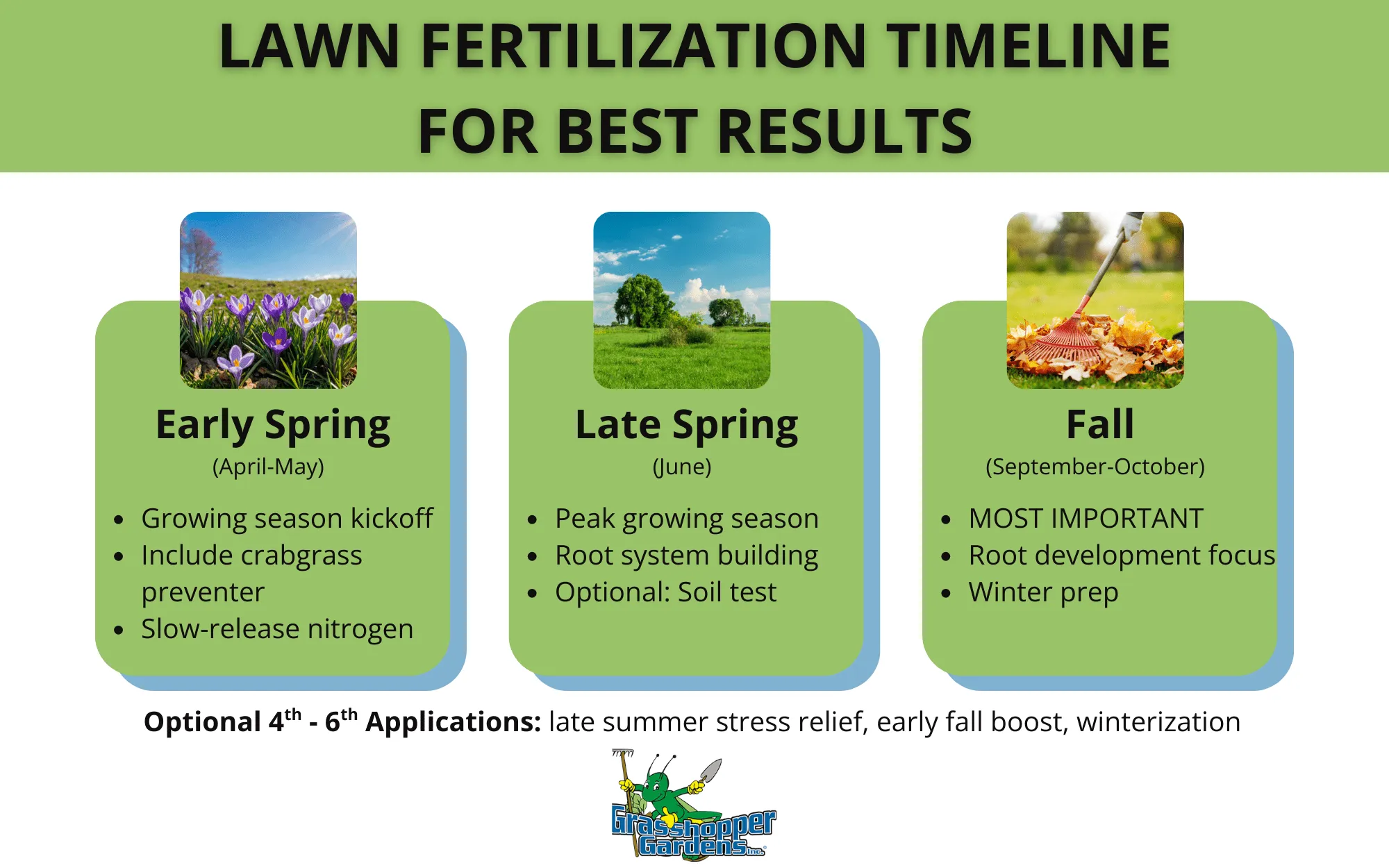
But when should you fertilize? How much is too much? And how do you avoid the patchy growth that sometimes follows a rushed application? Lawn fertilization Fort Worth professionals often receive these questions, which is why we’ve developed this checklist to walk you through the basics of fertilizing for consistent results.
#1: Know Your Grass Type
The first step is understanding what kind of grass you’re feeding.
Most Texas lawns use warm-season grasses such as Bermuda, St. Augustine, or Zoysia. These grasses thrive in heat and grow most actively from late spring through early fall. You want to choose a fertilizer that supports their natural growth cycle.
If you apply fertilizer while the lawn is still dormant, the nutrients will likely go to weeds rather than the grass. Waiting until your lawn has clearly greened up ensures the nutrients are actually supporting the turf you want to grow.
A quick rule of thumb: when the lawn begins growing fast enough to need regular mowing, it’s usually telling you that it’s ready for its first feeding.
#2: Wait for Active Growth
Timing matters as much as the fertilizer itself.
Grass needs warm soil and active growth to absorb nutrients effectively. When you apply fertilizer too early in the season, that can foster uneven growth and encourage unwanted plants. A bit of patience here will pay off with stronger results later.
You can look for signs that your lawn is ready:
- Consistent green color across most of the yard.
- New growth appearing soon after mowing.
- Soil temperatures warming with the season.
Once the lawn is actively growing, fertilization helps it develop thicker blades and deeper roots.
#3: Choose the Right Fertilizer
When you pick up a fertilizer bag, you’ll likely see three characters displayed: NPK, which stands for nitrogen, phosphorus, and potassium. Each nutrient uniquely supports the lawn.
- Nitrogen drives leafy growth and deep color.
- Phosphorus supports strong root development.
- Potassium helps improve overall resilience.
Many homeowners benefit from using a balanced or slow-release fertilizer specifically designed for lawns. These formulas feed the grass gradually, reducing the risk of sudden growth spurts or nutrient burn.
Applying too much fertilizer does not necessarily yield better results. In fact, excessive nitrogen can stress the lawn and create uneven patches of growth.
#4: Apply Fertilizer Evenly
Uneven application is a common reason why lawns develop streaks or patchy color after fertilization.
A broadcast or drop spreader is a good investment to help you distribute fertilizer consistently across the yard. Walking at a steady pace and slightly overlapping passes ensures the product reaches the entire lawn.
To avoid complications, apply these practices:
- Follow the recommended rate listed on the fertilizer bag.
- Avoid dumping extra product in thin spots.
- Apply fertilizer when the grass is dry and calm weather is expected.
Even coverage will help your lawn grow at the same pace across all areas, creating a cleaner, more uniform appearance.
#5: Water After Fertilizing
The last step is watering, which helps move nutrients from the grass blades into the soil, where the roots can absorb them.
A light watering shortly after application usually works wonders, as it helps dissolve the fertilizer and prevents it from sitting on the lawn’s surface.
At the same time, it’s wise to avoid fertilizing right before heavy rain. Strong storms can wash nutrients away before the soil has time to absorb them.
Consistent watering after fertilization supports steady growth and invites your lawn to make the most of the nutrients it receives.
Helping Your Lawn to Thrive
Lawns respond to attention in subtle but rewarding ways. When the soil has the nutrients it needs, the grass slowly grows thicker, its color becomes vibrant, and the yard feels more comfortable to spend time in. The change won’t be dramatic from one week to the next, but over the course of a season, the difference becomes clear.
A well-fed lawn makes your living space more enjoyable.
Read Also:Merfez The Coastal Destination That Most Travelers Are Still Missing